
Running a growing business means your fleet vehicle needs are constantly evolving. Whether you're adding vehicles to support expansion, replacing aging trucks that are costing you in repairs, or upgrading to more efficient or stylish models, fleet decisions can feel overwhelming. Especially when you're trying to balance cash flow with operational needs.
Here's some good news: recent changes to Section 179 have made fleet financing more attractive than ever. Combined with flexible business funding solutions, you can expand, replace, or upgrade your fleet while maximizing tax benefits and preserving working capital.
Understanding Section 179: Your Fleet's Best Friend
Section 179 allows businesses to deduct the full purchase price of qualifying equipment and vehicles in the year they're placed into service. Think of it as the IRS saying, "Go ahead, invest in your business, we'll help with the tax bill."
For 2025, the limits have reached record highs:
- Maximum deduction: $2.5 million
- Spending threshold: $4 million (before phase-out begins)
- Bonus depreciation: 100% immediate expensing available
These numbers represent a significant increase from previous years, creating one of the most compelling opportunities for fleet operators in recent memory.
The beauty of Section 179 is that it works whether you pay cash or finance your vehicles. You can put zero down on a $150,000 truck through equipment financing and still deduct the full purchase price that same year. It's like getting a head start on your taxes while preserving cash for operations.
Fleet Expansion: Growing Smart, Not Just Fast
When your business is growing, adding vehicles often becomes a necessity rather than a choice. The challenge? Expansion requires significant capital, and traditional cash purchases can strain your working capital loans and cash flow solutions.
Fleet expansion through financing allows you to:
- Scale gradually: Add vehicles as contracts materialize rather than waiting to save enough cash
- Preserve capital: Keep your AR finance and invoice factoring lines available for operations
- Plan predictably: Fixed monthly payments make budgeting straightforward
Most qualifying business vehicles over 6,000 pounds are eligible for Section 179, including pickup trucks, cargo vans, box trucks, and specialized equipment vehicles. Both new and used vehicles qualify, giving you flexibility to build a cost-effective fleet.
Strategic Fleet Replacement: When Repair Costs Signal Change
We've all been there. That moment when your service manager delivers the bad news about another major repair on your aging fleet vehicle. At what point does replacement make more financial sense than continued repairs?

Here's a framework that helps:
- Annual repair costs exceed 15% of vehicle value: Time to consider replacement
- Downtime frequency increases: Lost productivity often outweighs repair savings
- Fuel efficiency gaps widen: Newer vehicles can deliver significant fuel savings
- Technology needs evolve: Modern fleet management systems require newer platforms
Equipment leasing can be attractive for replacement scenarios, but ownership through financing combined with Section 179 often delivers better long-term value. You build equity while claiming immediate tax benefits.
Fleet Upgrades: Efficiency Meets Opportunity
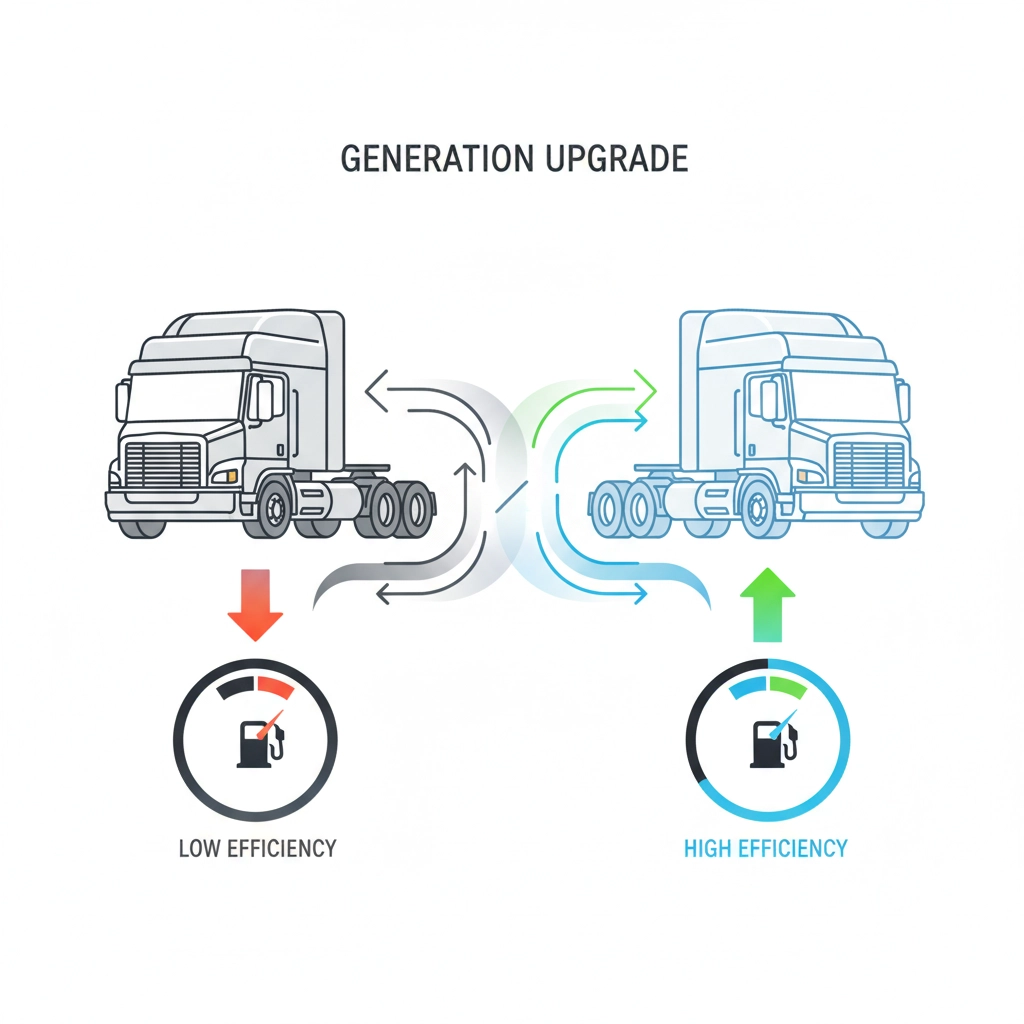
Modern vehicles offer better fuel economy, enhanced safety features, and improved driver comfort that can reduce turnover.
The Section 179 advantage makes upgrades particularly attractive because you're not just spreading costs over years of depreciation. You're making a strategic investment that pays immediate tax dividends while improving operations.
Consider this scenario: Your company operates five 2018 trucks averaging 12 MPG. Upgrading to 2025 models averaging 18 MPG could save $15,000+ annually in fuel costs alone, before factoring in reduced maintenance and improved reliability.
Maximizing Section 179 with Smart Financing
The real power of Section 179 emerges when paired with strategic equipment financing. Here's how it works:
Year One Benefits:
- Deduct full vehicle purchase price (up to $2.5 million total)
- Preserve cash flow through financing
- Deduct business interest on the loan
- Begin building equity in owned assets
Ongoing Benefits:
- Predictable monthly payments support budgeting
- Ownership builds balance sheet strength
- No mileage restrictions or wear-and-tear charges
- Freedom to modify vehicles for specific business needs
For businesses planning substantial fleet investments, spreading purchases across tax years can optimize benefits. Purchase essential vehicles in Year 1 to maximize current-year deductions, then add expansion vehicles in Year 2 when business growth supports additional deductions.
Vehicle Financing Through Strategic Partnerships
At HUB Funding Solutions, we understand that fleet financing isn't one-size-fits-all. That's why we've partnered with dealers throughout Texas, including a specialized relationship with a Dallas-area dealer network, to provide comprehensive vehicle financing options.
This partnership approach means you get:
- Streamlined approvals: Direct dealer relationships speed the process
- Competitive rates: Volume partnerships often translate to better terms
- Flexible options: New, used, and certified pre-owned vehicles all available
- Local service: Regional dealers understand local business needs
- Integrated financing: Equipment financing, working capital loans, and fleet financing from coordinated sources
Whether you need a single pickup truck or a complete fleet of commercial vehicles, our dealer partnerships provide access to inventory and financing solutions that traditional banks often can't match. The result? You spend less time shopping for vehicles and financing, and more time running your business.

Making the Decision: Timing and Strategy
Section 179 requires equipment to be placed in service by December 31st of the tax year you're claiming the deduction. This makes timing crucial, especially as year-end approaches.
Here's your action plan:
- Assess current fleet needs: Which vehicles need replacement or upgrade?
- Calculate potential Section 179 benefits: Work with your accountant to model tax savings
- Explore financing options: Compare terms from multiple sources
- Consider coordinated purchases: Can you optimize multiple acquisitions?
- Plan for delivery timing: Ensure vehicles arrive and are operational before year-end
Your Next Steps
Fleet decisions don't have to be overwhelming. With Section 179 benefits at historic highs and flexible financing options available, now might be the perfect time to address those fleet needs you've been putting off. Whether you're expanding operations, replacing aging vehicles, or upgrading for efficiency, the right funding solution can make the difference between strain and growth.